
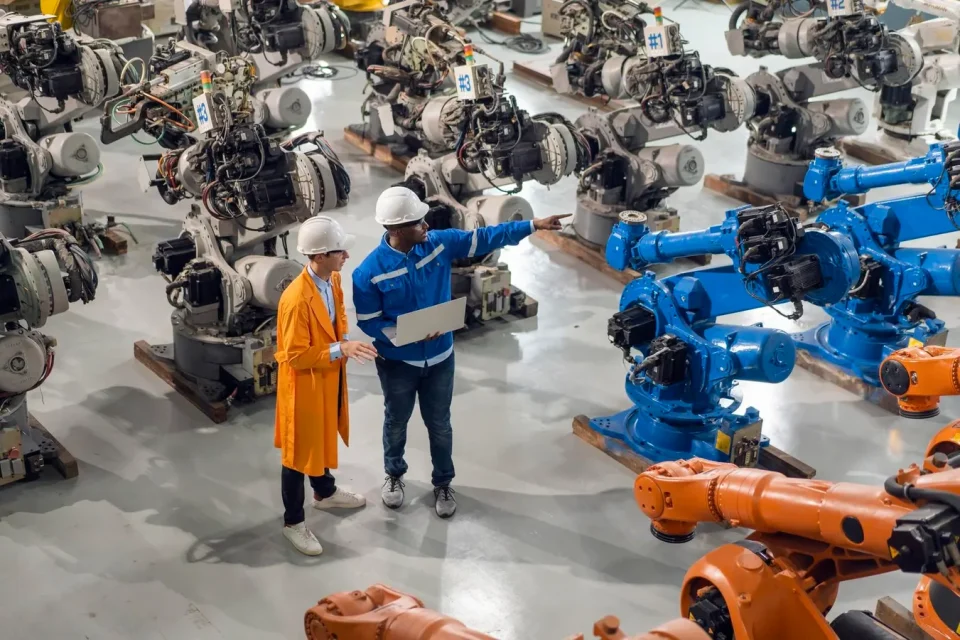
The term industry encompasses the production of goods and services within an economy, forming the backbone of economic development and societal advancement. Industries span sectors such as manufacturing, technology, healthcare, finance, and energy, and each contributes uniquely to employment, innovation, and trade. Understanding the structure, evolution, and current trends of industries provides a comprehensive view of how societies function, adapt, and compete in the global market.
Defining Industry
An industry refers to a collective group of businesses or organizations engaged in similar types of production or services. Unlike a single enterprise, an industry represents the aggregated activities of multiple entities, often categorized by the type of product, service, or market served.
Key Features of an Industry
- Specialization: Each industry focuses on producing specific goods or services, leading to efficiency and expertise development.
- Scale of Operations: Industries operate at various scales, from local manufacturing hubs to multinational production networks.
- Market Interaction: Industries influence supply chains, trade flows, and economic policies through collective output.
- Innovation and Development: Industries drive technological advancements, process improvements, and competitive standards.
Types of Industries
- Primary Industry: Focuses on natural resources extraction, such as agriculture, mining, forestry, and fishing.
- Secondary Industry: Engages in manufacturing and processing, transforming raw materials into finished goods.
- Tertiary Industry: Provides services including retail, healthcare, education, financial services, and logistics.
- Quaternary Industry: Centers on knowledge-based services like IT, research, consulting, and data analytics.
- Quinary Industry: Comprises high-level decision-making, executive management, and top-tier innovation strategies.
Historical Evolution of Industry
Industries have undergone transformative changes over centuries, shaping the modern economic landscape.
Pre-Industrial Era
Before the Industrial Revolution, industries were largely artisanal and localized. Production was small-scale, often limited to family-run workshops, with limited mechanization and technology.
Industrial Revolution
The Industrial Revolution marked a turning point, introducing mechanized production, steam power, and mass manufacturing. Industries expanded rapidly, urbanization accelerated, and global trade networks strengthened.
Post-Industrial Era
In the 20th century, industries shifted focus toward services, technology, and innovation. Automation, mass production, and globalization redefined competitive landscapes. Knowledge and information-based sectors became central to economic growth.
Modern Industrial Landscape
Today, industries are highly interconnected and technology-driven. The integration of AI, IoT, robotics, and digital platforms allows industries to optimize operations, reduce costs, and deliver enhanced customer experiences. Sustainability and environmental compliance are also key considerations for modern industrial practices.
Structure of Industries
Industries function through complex structures that organize production, management, and innovation.
Supply Chains
Efficient supply chains are critical for industrial success. They encompass sourcing raw materials, production, distribution, and delivery. Optimization of supply chains improves cost-effectiveness, reduces lead times, and enhances quality control.
Industrial Clusters
Geographically concentrated clusters, such as Silicon Valley for tech or Detroit for automotive manufacturing, provide competitive advantages through shared resources, skilled labor, and knowledge exchange.
Regulatory Frameworks
Industries operate under government regulations, trade laws, and safety standards. Compliance ensures ethical practices, worker safety, and environmental protection while maintaining market integrity.
Market Dynamics
Industries interact with domestic and international markets, influencing pricing, competition, and consumer behavior. Strategic positioning, marketing, and innovation determine industry leaders and market share distribution.
Industrial Strategies for Growth
Industries employ multi-layered strategies to enhance competitiveness, operational efficiency, and sustainability.
Technological Advancement
- Automation: Streamlines manufacturing and reduces operational costs.
- Artificial Intelligence: Enables predictive maintenance, process optimization, and data-driven decisions.
- IoT Integration: Connects devices, machinery, and processes for real-time monitoring and improved efficiency.
Diversification
Industries often diversify product lines and services to mitigate market risks and capitalize on emerging opportunities. For example, an automotive industry might expand into electric vehicles, autonomous systems, or mobility services.
Sustainability Practices
Environmental responsibility is increasingly critical. Industries adopt green technologies, reduce carbon footprints, and implement circular economy models to enhance sustainability.
Globalization
Entering international markets allows industries to expand revenue streams, access raw materials, and leverage global talent. Strategies include cross-border partnerships, foreign investments, and international supply chain optimization.
Research and Development
Investment in R&D drives innovation, product improvement, and process efficiency. Industries with strong R&D capabilities often lead in market trends and technological breakthroughs.
Economic and Social Impact of Industries
Industries play a pivotal role in shaping economies, societies, and global interactions.
Job Creation
Industries provide diverse employment opportunities, from entry-level roles to executive positions, contributing significantly to local and national employment rates.
GDP Contribution
Industrial output directly impacts Gross Domestic Product by generating goods, services, and taxable income. Robust industrial sectors stimulate economic growth and attract foreign investments.
Innovation and Technology
Industries drive research, product innovation, and technological advancements, influencing both consumer behavior and competitive market landscapes.
Community Development
Industries contribute to infrastructure development, education initiatives, and social programs, enhancing community welfare and regional growth.
Trade and Exports
Industries support international trade by producing goods and services for export, fostering economic relationships, and strengthening national economies.
Challenges Facing Modern Industries
Despite their scale and resources, industries encounter numerous challenges that require strategic foresight and management.
Competitive Pressures
Global markets intensify competition, requiring continuous innovation, quality improvement, and strategic marketing.
Regulatory Compliance
Industries must navigate complex regulatory landscapes, including labor laws, environmental standards, and international trade regulations. Non-compliance can result in fines, sanctions, and reputational damage.
Technological Disruption
Rapid technological advancements can render traditional industrial practices obsolete. Industries must invest in modernization and digital transformation to remain competitive.
Supply Chain Vulnerabilities
Disruptions in supply chains, whether due to geopolitical events, natural disasters, or market fluctuations, can affect production and delivery, impacting profitability.
Workforce Adaptation
Industries face challenges in skill development, workforce training, and retaining talent in the face of automation and evolving operational requirements.
Leadership and Governance in Industries
Effective leadership and governance structures are critical for industrial sustainability and strategic execution.
Executive Leadership
CEOs, CTOs, and COOs guide industries in strategic planning, operational execution, and technological integration.
Corporate Governance
Transparent governance frameworks ensure accountability, ethical practices, and alignment of industrial goals with shareholder and stakeholder expectations.
Industry Standards
Adhering to recognized industry standards ensures quality, safety, and competitiveness while building trust among customers and partners.
Emerging Trends in Industry
Industries are rapidly evolving in response to technological advancements, societal expectations, and global economic shifts.
- Digital Transformation: Industries are embracing digital platforms, AI, and cloud computing to enhance efficiency and decision-making.
- Sustainability and Circular Economy: Circular economy models focus on resource optimization, waste reduction, and environmentally responsible production.
- Automation and Robotics: Robotics and automated systems increase precision, reduce errors, and accelerate production timelines.
- Global Collaboration: Cross-border partnerships, joint ventures, and international networks facilitate innovation and market expansion.
- Consumer-Centric Models: Industries are increasingly adopting flexible, customized, and agile production models to meet evolving consumer preferences.
Conclusion
Industries are foundational to economic development, societal progress, and technological innovation. Their structures, strategies, and operations influence employment, trade, and global market dynamics. Modern industries must balance growth, sustainability, and technological adaptation to thrive in competitive environments. A deep understanding of industry dynamics offers valuable insights into how large-scale production, services, and innovation drive global economic resilience and societal development.
Frequently Asked Questions (FAQs)
What is the difference between an industry and a company?
An industry is a collection of businesses producing similar goods or services, whereas a company is a single entity operating within an industry.
How do industries contribute to economic growth?
Industries generate employment, produce goods and services, support trade, and invest in technological innovation, collectively contributing to GDP and economic stability.
Why is technological innovation important for industries?
Technological innovation enhances efficiency, reduces costs, improves quality, and maintains competitiveness in rapidly changing markets.
What challenges do industries face in globalization?
Global industries encounter regulatory variations, cultural differences, supply chain complexities, currency fluctuations, and geopolitical risks.
How do industries adopt sustainable practices?
Industries implement eco-friendly technologies, reduce waste, utilize renewable resources, and embrace circular economy models to balance profitability with environmental responsibility.
What are industrial clusters, and why are they important?
Industrial clusters are geographic concentrations of related businesses that benefit from shared resources, skilled labor, collaboration, and innovation.
How does corporate governance affect industrial performance?
Strong governance ensures ethical practices, strategic alignment, accountability, and long-term sustainability, reducing risks and enhancing stakeholder confidence.